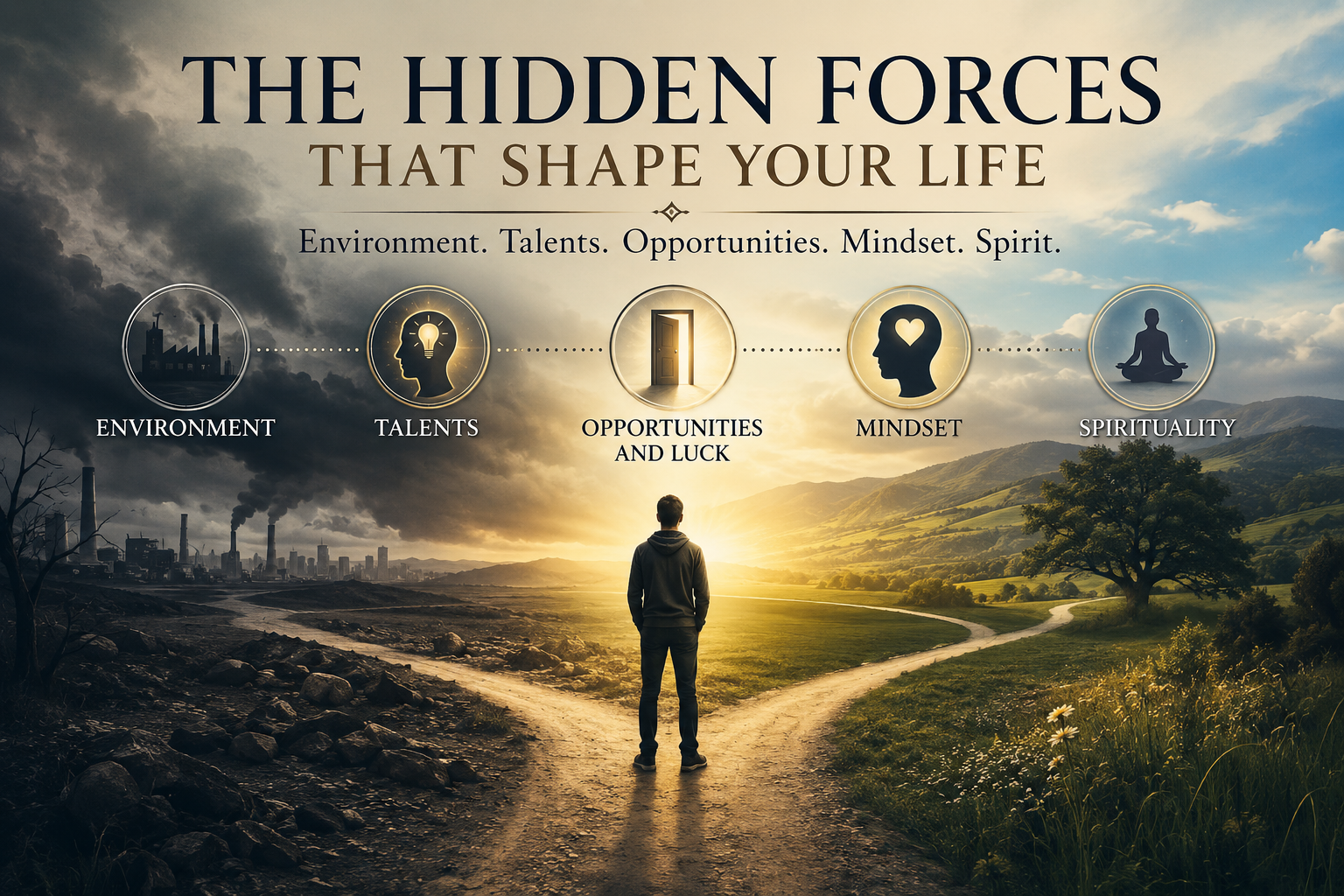
In the last blog I talked some about how we could ‘connect the dots’ in our lives and why it may be helpful to do so. So, I’ll talk about what some of the dots are and, in this blog, I’ll talk about models we follow, often unconsciously, which create paths for us in our life journeys.
We take for granted fairy tales and stories we hear as children, seldom thinking about how they could actually relate to us or how they resonate in us on a deep level. Those bedtime stories we were read as children came from legends passed down through history and generations. These were people who represented models we remembered. As adults we carry some of those memories inside us as archetypes.
Archetypal Echoes
Let’s take a look at a few of some varying models of what are called archetypes, then why they may be meaningful to us.
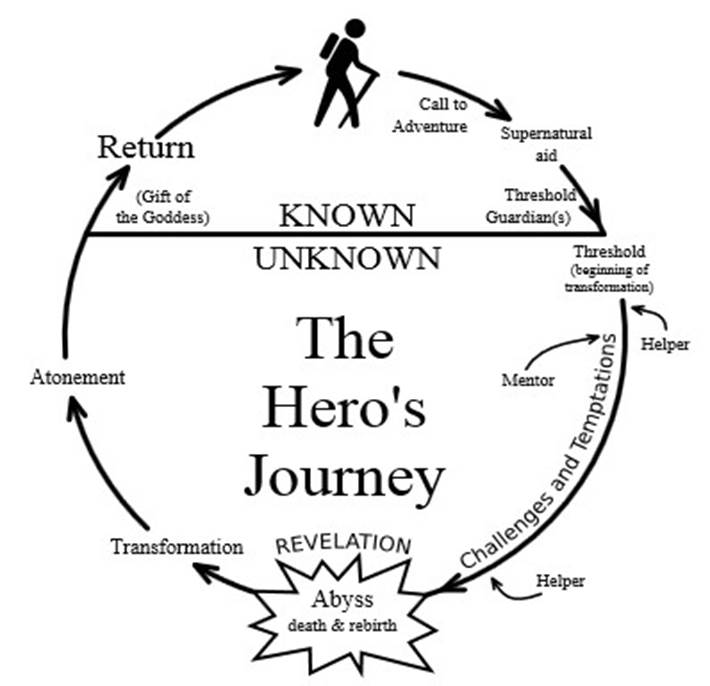
Jung thought these legends[1] were ‘archaic remnants’ which he called ‘archetypes’. and one of the most well-known archetypes is what Joseph Campbell called ‘the Hero’s Journey.’
The Hero (The Hero’s Journey)
The Heroes Journey describes a person who wandered the world (life), went through hard challenges, and emerged triumphant as a hero. Campbell described ‘The Hero’s Journey’:
-It is the wanderer,
-searching for a place…
– then when older, it is the warrior,
-fighting battles for right and meaning.
-‘coming home’ from the ‘battles’
-Welcomed home as ‘the hero.’
When we look at this archetype, the underlying stories originated well over a thousand years ago. Archetypes, such as Homer’s Iliad or Odyssey, provided examples and models of heroes to follow.
Throughout history in stories like Gilgamesh, King Arthur, and Joan of Arc, among many others, the stories shine light on our resilience. Today we can see the legacy of these archetypes along with so many other archetypes of heroes in legends, children’s books, and video games.
In legends we see the Hero archetype Bilbo (The Hobbit), Frodo (Lord of the Rings), and Harry Potter present stories, going through trials and emerging heroes. These are nice stories, but does the hero archetype, or any other, have anything to do with us? Well, there is not only one archetype—there are many and exploring some may tell us a lot more about ourselves than we would have ever thought.
There are more archetypes than I’ll discuss here, too many to discuss in this blog; if you want to investigate them further, just google ‘archetypes.’ But let’s take a look at a few here:
The Anti-Hero
This archetype represents the person who thinks of
her/himself as a rebel, someone who ‘walks to a different drum. They may claim to be morally ambiguous but are sympathetic, such as Hans Solo (Star Wars), Maverick (Top Gun), Scarlet O’Hara, and Catwoman.
The Mentor
A person who provides an example to others, taking mentees under their wing to guide and teach others, providing wisdom and support. Examples would be Yoda (Star Wars), Gandalf, Yoda, or media personalities, like Oprah, or Warren Buffet,
The Orphan
The orphan is often driven to achieve, to be successful and to show the world her/his worth. Examples would be Pip (Great Expectations), or role models like Eleanor Roosevelt.
The Child
The child archetype can represent someone who is child-like or naïve, still innocent in many ways. Examples would be the child in Home Alone, or an adult who is very childlike, such as the character ‘Elsbeth.’ Conversely, the child archetype could represent someone who is temperamental, used to getting their own way, who could be petulant and self-centered, like the stereotype of Little Lord Fauntleroy, or historical politicians, like Mussolini…
The Martyr/Victim
Martyrs often feel like they are victims. For some reason (or reasons) they feel disadvantaged or angry because they have been left out or hurt. It’s often called the ‘Poor me.’ syndrome. This archetype feels powerless, oppressed, or at the mercy of external forces. They can become too sensitive to what goes on around them or take things as personal offenses. I couldn’t think of a classic example of a victim archetype, but I’m sure you have encountered one somewhere in your life.
We Usually Find We Relate to an Archetype
We Usually find we relate more to one archetype, but we can adopt other archetypes at different times in our lives, depending on the circumstances happening in our lives.
There are also more archetypes than I’ve mentioned, you can explore, such as, the Gypsy,’ the Hermit,’ the Jester,’ ‘the Magician,’ and Jung had some others too. If you take a few minutes to read about each of these, the chances are you’ll find you may relate to several, but more to one than others. (You can go online and research them further).
These archetypes represent general descriptions of human behaviors… and are defined as “the original pattern or model of which all things of the same type are representations or copies : a prototype_” (Merriam-Webster.com). So, these are general descriptions of us humans and our behavior that seem to fall into category characterizations over eons of time. And they are generally describing all of us — you are in there somewhere.
We see stories of people representing archetypes repeatedly, like ‘the hero,’ who steps up and goes through many trials, gets stronger, and emerges victorious. Legends of heroes, such as, the Bible’s David who fought Goliath; Ulysses (the Roman name for Odysseus), king of Ithaca and victor of the Trojan War, to name a few. Other archetypes, such as the anti-hero, go through major life challenges, and prevail. Each of us generally fits into one of the archetypes, which is because we humans tend to be creatures of habit; generational changes roll forward slowly.
If you see some characteristics you identify with in one archetype, jot it down. Note its good points and also the challenges that often face this archetype that must be overcome. Every archetype, ultimately, came about as a model for those hearing of them to use as examples to navigate their own challenges. What it can give to you are some inherent tendencies to recognize and a coping mechanism for meeting challenges in your own life.
Do you sometimes feel you have to be the saver, the hero? Or do you sometimes feel like an orphan alone in this crazy world? Knowing this is a situation so many have faced before could help you recognize that many others have been through it before too. In fact, those hundreds and even thousands of years ago went through similar challenges too. Remember their general story, how they faced the obstacles and, ultimately prevailed. In many ways these lessons replay through the history of man—and are still here.
So, now you have a connecting dot. Think of some of the things you do or how you act that seem to be habits…do you ever think about why you do it that way? Do you have to do things that way? Or are you simply repeating automatic habits. Could you be open to considering some adjustments?
Think of how the role models of these archetypes made it through times that were likely a lot harder than the ones we go through today. They survived and strove to give us maps to follow; they connected the dots.
Archetypal Ricochets
Here you are…you are on a quest and intend to succeed. Don’t we all? Okay, we hit a wall—some challenge we can’t get past, a career or financial crisis, or worse, a health one. We have to fight with all we’ve got to win—but how do we fight a nightmarish financial or life-threatening battle? Like ‘the hero’ in ‘the Hero’s Journey’ our journey has to extend beyond what we know. We embark on the challenge, then hit a point that can be our ‘abyss’(‘the fall’), so we then must seek answers and help beyond us through mentors and, sometimes, strangers. From there we, inevitably, cross a threshold and absorb an understanding from the lessons learned. If we are sincere in our honest motivation we cross the rubicon and succeed in our quest which, ultimately contributes to our life’s purpose.
We’ll go through some other ‘dots’ in future blogs that may give you some surprising links to your past and future!
We carry forward our ancestors’ dreams. The archetypes they left in their legends are there for our excavation. From there we can create some new alchemy.
[1] Jung, C. Man And His Symbols