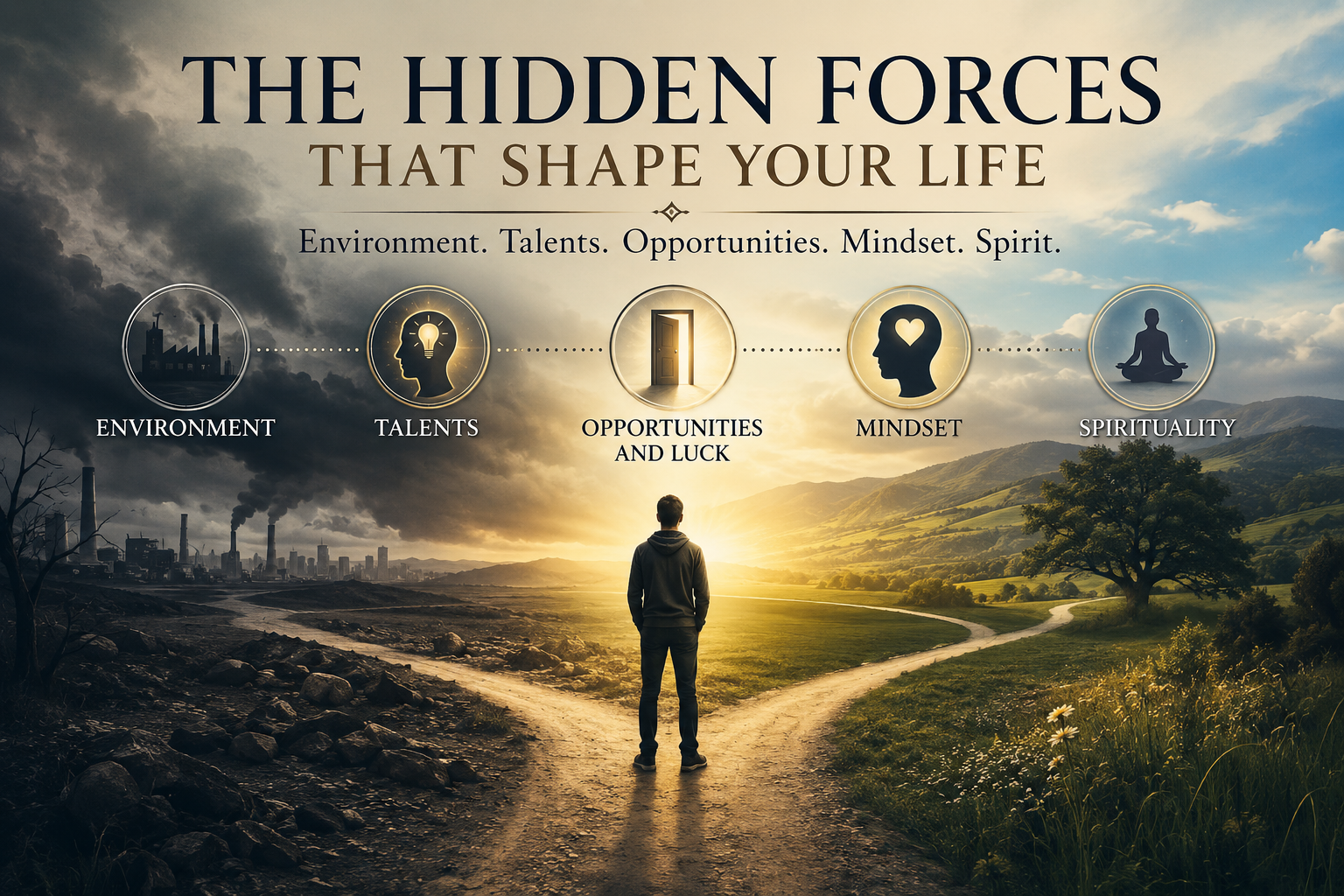
In the last two blogs I talked about some key factors that influence each of our lives. I mentioned archetypes, and in the last blog we discussed basic personality traits, and our beliefs. I want to start off in this blog with just a few final extensions of beliefs, primarily that of myths we believe in and prejudices we either embrace, inherit, or are surrounded by in our environments.
Beliefs (Continued from Blog 10)
Most often we automatically associate beliefs with spiritual beliefs and religion, but we also associate the word belief with our convictions, our principles, our credibility, and our trust. According to Cambridge Dictionary, it also means “the feeling of being certain that something exists or is true.” It can also represent, for example, other ideas that have been embraced by you or carried forward through time by predecessors, either directly or indirectly through culture… Examples would be:
Myths
A myth is “a symbolic narrative, usually of unknown origin and at least partly traditional, that can relate to actual events associated with an individual or story in an unspecified time and often associated with religious beliefs” (Britannica.com).
Joseph Campbell spent his life teaching about myths and how we are affected by prejudices, by them in our lives. He defined myth as a vital narrative that serves to explain the unexplainable. Myths support society, cultural and social structures[1]. We’ve read about them in school and were told about them in bedtime stories, like the Odyssey, King Arthur and the Round Table, Robin Hood, etc. Since we grow up hearing them, they quickly become part of our memories and cultures. Nowadays if we research the ancestry of our elders, we often discover that some of the family histories we learned about may have, in fact, been myths.
Prejudices
While we often may hear the phrase “I’m not prejudiced but…” followed by a negative comment about someone, chances are good there is a prejudice lurking behind that remark somewhere. We seldom think about the fact that we, too, have prejudices and they may or may not have originated with us. Remember, so much of each of our lives is built upon our families and our environments.
Prejudice is defined as an “attitude toward another person or group formed in advance of any experience with that person or group.”(Britannica.com) The American Psychological Association defines prejudice as
“a negative attitude toward another
person or group formed in advance of
any experience with that person or
group. It can include affective,
cognitive, and behavioral components
prejudices can include component (e.g.,
nervousness, anger, contempt, pity,
hatred) and a cognitive component
(assumptions and beliefs about groups,
including stereotypes).[2]
Most humans carry some type of prejudice, be it, i.e., a dislike of vegetables, or a disdain for certain types of food, types of house design, certain locales, or climate. It isn’t always about race, ethnicity, financial status, or appearance. Prejudice, while it can initiate inside each of us for many reasons, is often the result of a sheer lack of knowledge, either on the subject, or the people. Intellectually, knowledge can ‘lift the scales from our eyes to see[3] in so many ways. We’ll talk more about how we can become more aware of our prejudices that may or may not be deliberate choices we’ve made more in the future.
Superstitions
Like prejudices, we are often not aware of superstitions we hold because they have been passed on to us by family members, or our environments. If superstitious, we clutch onto reliance on practices of luck, prophecy, certain spiritual beings.[3][4][5] While most of us would deny being superstitious,there likely are still a few we have, like, ‘knocking on wood’ for good luck, not walking under ladders, or having a ‘good luck’ charm[4].
Superstitions are not silly, they serve psychological and social functions, providing a sense of control in uncertain situations, such as, athletes wear “lucky” items before games, rituals before impending events. Superstitions meld with traditions and are passed down through generations. Humans continue to believe in them because they need to feel there might be a way their outcome is successful. All of us have a need for meaning and want [1] reassurance.
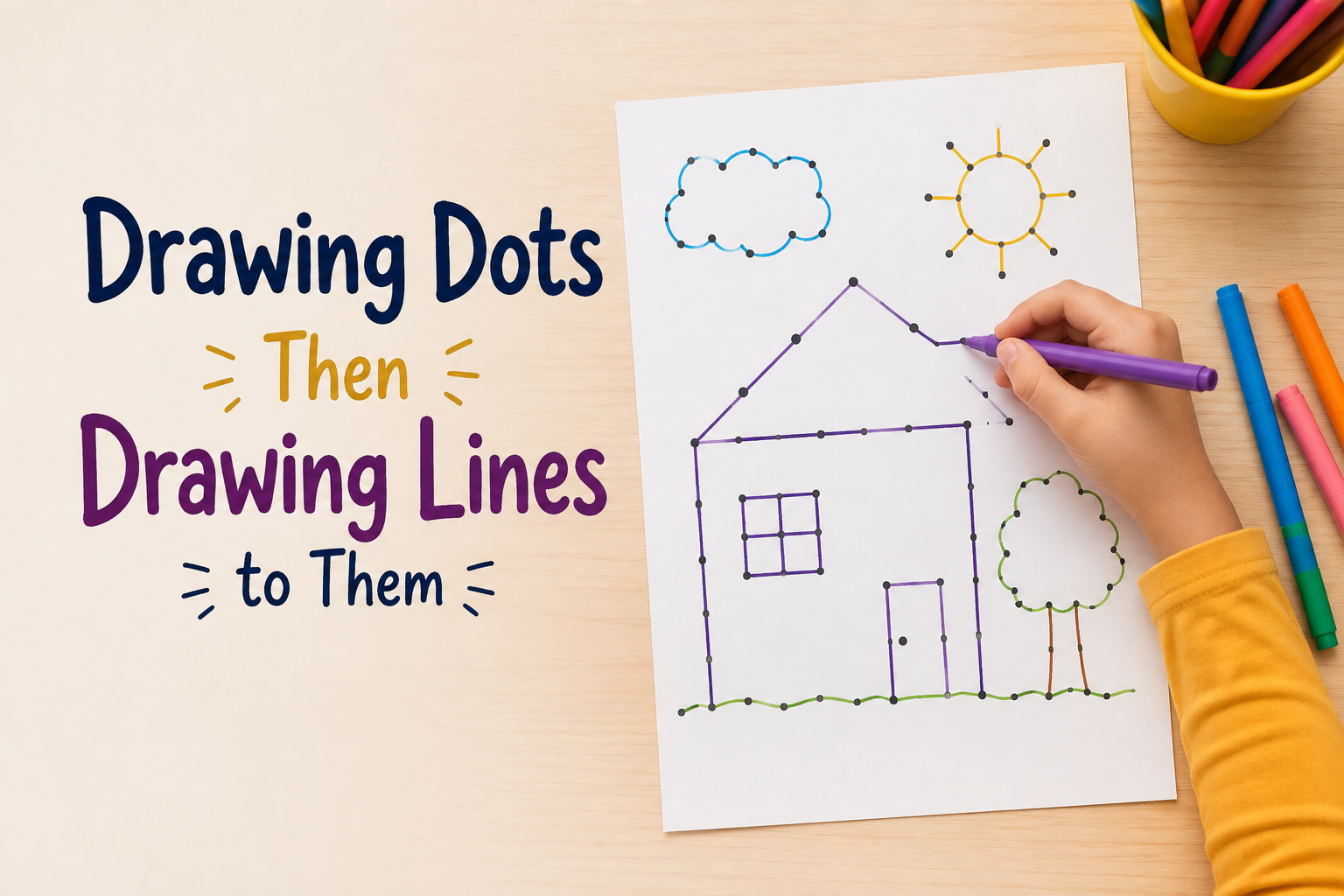
We are largely aware that each of these can affect us in different ways, but we will look at how we can ‘connect all these ‘dots’ that will allow us to gain a new perspective to ‘see’ things differently.
In the next blog I will continue to discuss more of the factors impacting our lives, such as, our environment, artifacts, opportunities, luck, and talents, temperament, Zen (or lack of Zen). And may I again point out —
Again…. None of these dots are money.
More of the factors influencing your life are to come …… Stay ‘Tuned’!
Reference:
“A Global Journey Through Beliefs and Rituals”. Superstitions Map. Retrieved 20 October 2025.
[1] Campbell, J. (1991). The Power of Myth.
[2] https://dictionary.apa.org/prejudice
[3] John, 15-16.
[1] Campbell, J. (1991). The Power of Myth.
[2] https://dictionary.apa.org/prejudice
[3] John, 15-16.